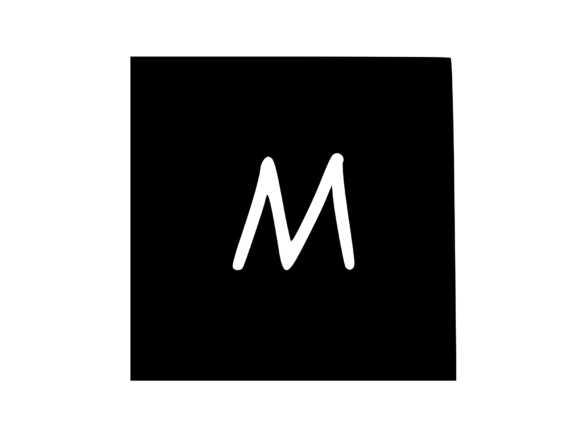
Square Shape with Playful Mono M Review
First Impressions: A Design That Speaks to Creativity
When I first opened the Square Shape with Playful Mono M file, I was immediately drawn to its clean lines and minimalist charm. The design feels like a modern reinterpretation of classic geometric shapes, but with a twist that adds personality. It's not overly complex, which makes it versatile for many embroidery projects, yet it has enough character to stand out on its own.
The mood this design creates is playful yet professional. It’s the kind of piece that could easily transition from a casual tote bag to a boutique product without losing its appeal. The square shape itself suggests stability and structure, while the “playful” aspect hints at creativity and fun—making it a great fit for both personal and commercial use.
Real-Life Scenario: Embroidering a Custom Tote Bag
Imagine preparing a custom embroidered tote bag for a small shop or an Etsy listing. You want something that looks good on canvas fabric but still feels unique. This design would work beautifully as a central feature on the front of the bag. Its simplicity allows the fabric texture to shine through, while the bold shape ensures visibility from a distance.
I can see how customers might react positively to this design. It's not too busy, so it doesn’t overwhelm the eye, yet it’s distinctive enough to catch attention. For a handmade product, it adds a touch of sophistication without being too formal. If you're targeting a younger demographic or looking to add a modern flair to your inventory, this could be the perfect choice.
However, when using it on smaller items like patches or caps, you’ll need to ensure the hoop size is appropriate. The design isn't too large, but if you’re working on a tiny surface, you may need to scale it down carefully to maintain clarity and detail.
Performance in Real Embroidery Situations
Square Shape with Playful Mono M performs well across a variety of surfaces and materials. On cotton, linen, or canvas, it stitches clearly and maintains its visual impact. The lack of intricate details means it works well even on textured fabrics, where more detailed designs might lose their definition.
For custom apparel, this design would be ideal for sweatshirts, t-shirts, and even baby clothes. It won’t overpower the garment and can be placed strategically to highlight the brand or personalize the item. In holiday embroidery or nursery decor, it offers a subtle yet stylish addition that complements other festive elements without competing with them.
If you're creating embroidered patches or apron embellishments, this design can serve as a focal point or part of a larger pattern. Just be mindful of stitch density when combining it with other elements, especially on thinner fabrics.
Where to Use with Caution
While this design is quite adaptable, there are a few scenarios where extra care is needed. On dark fabric, make sure the thread colors contrast sufficiently to ensure visibility. Light-colored threads might get lost against dark backgrounds, so testing on scrap fabric is always a good idea.
On stretchy fabrics like knits or spandex, using a proper stabilizer becomes crucial to prevent distortion. The same goes for curved surfaces such as caps or hats, where the design might require some repositioning to maintain its shape after stitching.
If you plan to use it on layered garments or products that need frequent washing, consider the durability of the thread and the type of stabilizer used. These factors will influence how well the design holds up over time.
Visual Appeal and Practical Considerations
From a visual standpoint, this design enhances the handmade presentation of any product. Whether you're selling personalized gifts or creating small shop merchandise, it adds a professional touch that can increase customer trust and product value.
It also plays well with brand consistency, especially if you're building a line of products around a specific theme or aesthetic. The finished product will feel cohesive and intentional, which is important for buyers who appreciate thoughtful design choices.
As an Etsy seller or craft business owner, having a design that's both unique and easy to reproduce is a big plus. It allows for scalability without sacrificing quality or visual appeal.
Embroidery Designer Notes: Practical Tips Before Use
Before jumping into a project, take a few minutes to test the design on scrap fabric. Check how the thread colors interact with your chosen fabric and whether the stitch density feels right for the material. If you're unsure about the hoop size, measure the design and compare it to your available hoops to avoid unnecessary resizing later.
Review the stabilizer requirements based on your fabric type. For delicate or stretchy materials, a tear-away or cut-away stabilizer may be necessary. Also, consider using a printable mockup to visualize how the design will look on different products before committing to production.
If you're planning to sell finished items or digital versions of this design, be sure to check the licensing terms. Understanding what you can and cannot do with the digital embroidery file is essential to avoid legal issues down the line.
Lastly, don’t forget to test the design in both light and dark fabric backgrounds. This helps you determine if the embroidery project will look consistent across your product range and meet customer expectations.